Natural Medicine Handout- Boswellia
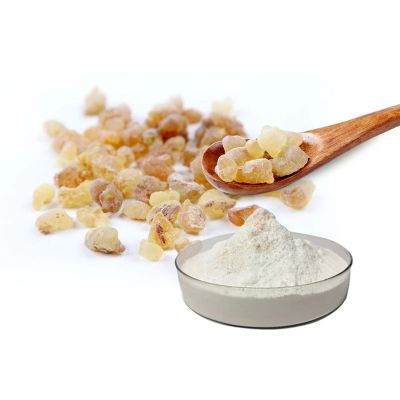
Boswellia Serrata
Scientific Name Boswellia serrata Family Burseraceae Other Common Names Arbre à Oliban Indien, Boswella, Boswellia serrata, Boswellin, Boswellin Serrata Resin, Encens Indien, Gajabhakshya, Indian Frankincense, | Caution
For information on the use of Boswellia species for topical application or as aromatherapy, see Frankincense.

Overview
Boswellia serrata is a branching tree native to India, Africa, and the Arabian peninsula. The gum resin and the bark of the plant have been used medicinally. The Boswellia genus is most commonly known as the source of frankincense, which is made from the oleogum resin exuded from incisions in the tree bark. Frankincense, which is typically applied topically or inhaled as aromatherapy, is obtained from various Boswellia species, including Boswellia serrata, Boswellia carteri, and Boswellia frereana (12443, 17950, 17951, 91379). This monograph discusses only the oral use of Boswellia serrata.
Coronavirus disease 2019 (COVID-19): Some experts have warned that Boswellia serrata might interfere with the body's immune and inflammatory response against COVID-19. There is no strong evidence to support these warnings. However, there is also no good evidence to support using Boswellia serrata for COVID-19. Recommend healthy lifestyle choices and proven prevention methods instead.
Likely Safe when used orally and appropriately. Boswellia serrata extract in doses up to 1000 mg daily has been safely used in several clinical trials lasting up to 6 months (1708, 1709, 12432, 12434, 12438, 17948, 17949, 17950, 91379, 100699)(100713, 102089, 109568, 115735, 116901). Boswellia serrata extract has been used with apparent safety at a dose of 2400 mg for up to 1 month (102092).
PREGNANCY AND LACTATION: Likely Safe when used orally in amounts commonly found in foods (4912). There is insufficient reliable information available about the safety of using Boswellia serrata in medicinal amounts; avoid using.
|
General
Orally, Boswellia serrata extract is generally well-tolerated. For information on the safety of Boswellia serrata when applied topically or used as aromatherapy, see the Frankincense monograph.
Most Common Adverse Effects
Orally: Abdominal pain, diarrhea, headache, heartburn, itching, nausea.
Serious Adverse Effects (Rare)
Orally: Large amounts of Boswellia serrata gum resin can cause bezoar formation.
Dermatologic
Gastrointestinal
Musculoskeletal
Neurologic/CNS
Psychiatric
Oral Boswellia serrata extracts, taken alone or in combination with other ingredients, appear to reduce pain and stiffness and improve function in knee osteoarthritis. However, most clinical studies have been small and of relatively short duration.
Insufficient Reliable Evidence to Rate
Although there is interest in using oral Boswellia serrata for hay fever, there is insufficient reliable information about the clinical effects of Boswellia serrata for this condition.
It is unclear if oral Boswellia serrata improves cognitive function in patients with Alzheimer disease.
Oral Boswellia serrata has only been evaluated in combination with other ingredients; its effect when used alone is unclear.
It is unclear if oral Boswellia serrata can improve symptoms of asthma.
Oral Boswellia serrata has only been evaluated in combination with other ingredients; its effect when used alone is unclear.
It is unclear if oral Boswellia serrata improves outcomes in patients with brain tumors.
Rectal Boswellia serrata has only been evaluated in combination with other ingredients; its effect when used alone is unclear.
Although there is interest in using oral Boswellia serrata for cluster headache, there is insufficient reliable information about the clinical effects of Boswellia serrata for this condition.
Oral Boswellia serrata has only been evaluated in combination with other ingredients; its effect when used alone is unclear.
It is unclear if oral Boswellia serrata reduces relapse rates in patients with Crohn disease.
It is unclear if oral Boswellia serrata improves glycemic control in patients with diabetes.
It is unclear if oral Boswellia serrata is beneficial in patients with acute diarrhea.
Oral Boswellia serrata has only been evaluated in combination with other ingredients; its effect when used alone is unclear.
It is unclear if oral Boswellia serrata is beneficial for exercise-induced muscle soreness.
Small clinical studies suggest that an oral Boswellia serrata extract may improve symptoms of IBS.
It is unclear if oral Boswellia serrata is beneficial for knee pain.
It is unclear if oral Boswellia serrata is beneficial for menorrhagia.
There is limited evidence on the oral use of Boswellia serrata in patients with collagenous colitis.
Oral Boswellia serrata has only been evaluated in combination with other ingredients; its effect when used alone is unclear.
Although there is interest in using oral Boswellia serrata for pharyngitis, there is insufficient reliable information about the clinical effects of Boswellia serrata for this condition.
Oral Boswellia serrata has only been evaluated in combination with other ingredients; its effect when used alone is unclear.
Oral Boswellia serrata has only been evaluated in combination with other ingredients; its effect when used alone is unclear.
Oral Boswellia serrata has only been evaluated in combination with other ingredients; its effect when used alone is unclear.
It is unclear if oral boswellic acids improve neurological function after stroke.
It is unclear if oral Boswellia serrata is effective for reducing disability, or improving cognitive function or memory in adults recovering from TBIs.
Small clinical studies suggest that oral Boswellia serrata extracts may improve symptoms of ulcerative colitis.
Oral Boswellia serrata has only been evaluated in combination with other ingredients; its effect when used alone is unclear.
Oral Boswellia serrata has only been evaluated in combination with other ingredients; its effect when used alone is unclear.
More evidence is needed to rate Boswellia serrata for these uses.
Adult Dosage
Oral:
Boswellia serrata extracts have most often been used in doses of 100-250 mg daily for up to 6 months (100713, 102089, 103785). Doses up to 1600 mg daily have been used for 30 days (102092). See Effectiveness section for condition-specific information.
Other routes of administration:For information on the topical or inhaled use of Boswellia serrata, see the Frankincense monograph.
Children
Oral:
Research is limited; typical dosing is unavailable. See Effectiveness section for condition-specific information.
Standardization & Formulation
Boswellia serrata extracts are typically standardized to boswellic acid content. Products used in clinical research have been standardized to contain up to 80% boswellic acid (21152).
One specific Boswellia serrata extract product (BosPure, Arjuna Natural Extracts Ltd.) has been standardized to contain 75% boswellic acids and 10% 3-O-acetyl-11-keto-beta-boswellic acid (AKBA) (89719). Another specific Boswellia serrata extract (5-Loxin) is standardized to 30% AKBA and 20% other natural boswellic acids (17948, 17949, 21157). The Boswellia serrata extract Apresflex (formerly Aflapin) is standardized to 20% AKBA (17949, 21145). Another specific product (Wokvel, Pharmanza India) containing Boswellia serrata extract is standardized to contain 65% organic acids or a minimum of 40% total boswellic acids (12432, 103784). A specific solid lipid Boswellia serrata particle product (Wokvida) was standardized to contain 40% total boswellic acids (103784). The standardized Boswellia serrata product (S-compound, Rahul Pharma) contains 11-keto-beta-boswellic acid 0.63%, AKBA 0.7%, and acetyl-beta-boswellic acid/beta-boswellic acid 1.5% (1708). A different Boswellia serrata extract (Boswellin, Sabinsa Corp.) has been standardized to contain at least 50% boswellic acids, with at least 30% AKBA (100699). Another specific Boswellia serrata extract (K-Vie, Kondor Pharma) is standardized to contain 40% boswellic acids (109567). A lecithin-based formulation of Boswellia serrata extract (Casperome, Indena S.p.A.) is standardized to contain at least 25% triterpenoid acids (109568).
|
CYTOCHROME P450 1A2 (CYP1A2) SUBSTRATES
Interaction Rating Moderate Be cautious with this combination. Severity MODERATE Occurrence POSSIBLE Level of Evidence D (Theoretical based on pharmacology)
Theoretically, Boswellia serrata might increase the levels of CYP1A2 substrates.
CYTOCHROME P450 2C19 (CYP2C19) SUBSTRATES
Interaction Rating Moderate Be cautious with this combination. Severity MODERATE Occurrence POSSIBLE Level of Evidence D (Theoretical based on pharmacology)
Theoretically, Boswellia serrata might increase the levels of CYP2C19 substrates.
CYTOCHROME P450 2C9 (CYP2C9) SUBSTRATES
Interaction Rating Moderate Be cautious with this combination. Severity MODERATE Occurrence POSSIBLE Level of Evidence D (Theoretical based on pharmacology)
Theoretically, Boswellia serrata might increase the levels of CYP2C9 substrates.
CYTOCHROME P450 2D6 (CYP2D6) SUBSTRATES
Interaction Rating Moderate Be cautious with this combination. Severity MODERATE Occurrence POSSIBLE Level of Evidence D (Theoretical based on pharmacology)
Theoretically, Boswellia serrata might increase the levels of CYP2D6 substrates.
CYTOCHROME P450 3A4 (CYP3A4) SUBSTRATES
Interaction Rating Moderate Be cautious with this combination. Severity MODERATE Occurrence POSSIBLE Level of Evidence D (Theoretical based on pharmacology)
Theoretically, Boswellia serrata might increase or decrease the levels and clinical effects of CYP3A4 substrates.
IMMUNOSUPPRESSANTS
Interaction Rating Moderate Be cautious with this combination. Severity HIGH Occurrence POSSIBLE Level of Evidence D (In vitro or animal study) None known.
Theoretically, Boswellia serrata might alter the effects of immunosuppressive drugs.
There is insufficient reliable information available about the presentation or treatment of overdose with Boswellia serrata.
Absorption
In humans, ingesting a dry extract from Boswellia serrata gum resin (BSE-018) resulted in poor bioavailability of boswellic acids; however, intake with a high-fat meal seems to improve the absorption and bioavailability (36896). Following the ingestion of a Boswellia serrata gum resin extract (H15) 4200 mg, boswellic acids reach a peak after 1-2 hours, and plateau at 2 hours. Additionally, a solid lipid particle formulation (Wokvida) of a specific Boswellia serrata extract, as well as a self-emulsifying hybrid-hydrogel and micellar formulation (Boswellia-Loges) of Boswellia serrata oleo-gum extract, have enhanced bioavailability (109562, 115734, 115736). Peak plasma levels were reported at approximately 2-6 hours and 1.5-4 hours for 11-keto-beta-boswellic acid (KBA) and 3-O-acetyl-11-keto-beta-boswellic acid (AKBA), respectively, following single-dose administration (109562, 12441, 115734, 115736). Steady state levels of alpha-boswellic acid, beta-boswellic acid, AKBA, and KBA ranged broadly from 6.5 ng/mL to 11949 ng/mL. AKBA and KBA, which each contain a keto group, are generally present in much lower levels in the plasma (21149, 36905, 36928).
Distribution
A specific Boswellia serrata extract (Wok Vel) 333 mg was shown to have an apparent volume of distribution of about 143 liters (12441).
Metabolism
According to laboratory research, oxidation to hydroxylated metabolites is the principal metabolic route for some boswellic acids, such as KBA (36917).
Excretion
A specific Boswellia serrata extract (Wokvel) 333 mg has an elimination half-life of approximately 6 hours and a plasma clearance of about 296 mL/min (12441). Another specific Boswellia serrata extract (Wokvida) 333 mg has an elimination half-life of around 2.5 and 6.8 hours for the constituents KBA and AKBA, respectively (109562). Furthermore, similar results are observed with the specific micellar and hybrid-hydrogel formulations of Boswellia serrata oleo-gum extract (115734, 115736).
General
The applicable part of Boswellia serrata is most commonly the gum resin. The bark, leaf, and other plant parts are also sometimes used in preparations. The gum resin is obtained by pulling away the bark of the boswellia tree. The principle constituents of boswellia are boswellic acid and alpha- and beta-boswellic acid (1706, 17947). Commonly, Boswellia serrata is standardized to the 3-O-acetyl-11-keto-beta-boswellic acid (AKBA) constituent (17947). The gum resin also contains up to 16% essential oils including alpha-thujene and p-cymene (17951). Various phenyl propanoids, terpenoids, flavonoids, and other phenolic compounds have all been reported in the resin (91378).
Anti-Alzheimer effects
A clinical study in adults with Alzheimer disease shows that taking Boswellia serrata extract might reduce plasma levels of amyloid-beta (AB) 40, which is a biomarker of Alzheimer disease severity and is correlated with a poor prognosis when elevated. However, no difference was noted in levels of AB42 when compared with placebo. Boswellia serrata also seems to increase the ratio of AB42/AB40, which when reduced is an indicator of cerebral amyloid burden and increased Alzheimer disease risk. Additionally, Boswellia serrata may increase plasma transthyretin levels, which is thought to exert neuroprotective activity by binding to and clearing amyloid-beta from the brain (112807).
Anti-arthritic effects
Boswellia serrata is commonly used to treat pain and inflammation associated with arthritis. In preliminary research, some Boswellia serrata extracts show anti-inflammatory, analgesic, and anti-arthritic effects (12432). Boswellic acids, especially AKBA, inhibit 5-lipoxygenase and reduce leukotriene synthesis and inhibit leukocyte elastase, which are the likely mechanisms for its anti-inflammatory and analgesic properties (36900, 36902, 36938, 36940). Boswellic acids also might have disease modifying effect, decreasing glycosaminoglycan degradation and cartilage damage. Boswellic acids may also reduce levels of other enzymes involved in conditions such as arthritis, including glutamic pyruvic transaminase, glycohydrolase, and beta-glucuronidase (36933, 36934, 36935). However, not all boswellia-containing products seem to have these effects (12432).
Anti-asthma effects
Preliminary research suggests boswellic acids stabilize mast cells, which suggests usefulness for asthma (12439).
Anti-inflammatory effects
Clinical research suggests that taking Boswellia serrata extract might reduce plasma levels of pro-inflammatory cytokines including interleukin (IL)-1-beta, IL-1-alpha, IL-4, IL-6, C-reactive protein, tumor necrosis factor-alpha, and prostaglandin E2 (112807, 116901, 116905). Researchers theorize that cytokines stimulate astrocytes and microglia, leading to increased production and aggregation of amyloid-beta oligomers and neuronal death (112807).
Anticancer effects
In vitro research has yielded conflicting findings regarding the antitumor potential of Boswellia serrata. Some in vitro and animal research suggest that boswellic acids, including 3-O-acetyl-11-keto-beta-boswellic acid (AKBA), have an antiproliferative and apoptotic effect on cancer cells (12435, 36885, 36901, 36908). A small clinical study which compared core biopsies to excisional biopsies in patients with hormone-receptor positive breast cancer shows that taking Boswellia serrata extract for an average of 11 days leading up to surgery appears to inhibit cancer cell proliferation but does not affect apoptosis (114685). Clinical research in patients with brain cancer shows that taking Boswellia serrata reduces cerebral edema (21149). However, in vitro research in pediatric high-grade glioma cells shows that alpha- and beta-boswellic acids promote cancer cell growth and have no effect on apoptosis. Additionally, AKBA reduces cancer cell viability but does not induce apoptosis. In ovo research shows that AKBA does not inhibit tumor growth (114686).
Immunomodulatory effects
Boswellia serrata might inhibit mediators of autoimmune disorders such as leukotrienes. It seems to reduce production of antibodies and cell-mediated immunity (12432, 12435, 12437, 12438). However, other research suggests that low concentrations of boswellic acids coupled with a second stimulus within specific signaling pathways might have immunostimulant effects. In vitro research in human polymorphonuclear leukocytes suggest that, in the presence of calcium ions, boswellic acids containing a keto group might increase reactive oxygen species and increase the release and metabolism of arachidonic acid by 5-lipoxygenase (21180).
Organ beneficial effects
Preliminary research suggests that boswellic acids might prevent organ rejection and ischemia/reperfusion injury (12440).
Classes
Cytochrome P450 1A2 (CYP1A2) Inhibitors, Cytochrome P450 2C19 (CYP2C19) Inhibitors, Cytochrome P450 2C9 (CYP2C9) Inhibitors, Cytochrome P450 2D6 (CYP2D6) Inhibitors, Cytochrome P450 3A4 (CYP3A4) Inhibitors, Immunomodulators, Immunostimulants
References
Literature Review Current Through: 12/12/2025, Last Updated: 7/4/2026
The contents of this resource are not intended to be a substitute for professional medical advice, diagnosis, or treatment. Clinical input is needed from a qualified healthcare provider before taking any supplement or starting any therapy. Do not delay or disregard seeking medical advice or treatment based on any information displayed in this resource.